Kitchen cabinet styles set the tone for the entire kitchen. The three main kitchen design styles — contemporary, transitional, and traditional — each create a distinct look and feel. Contemporary kitchen design uses flat-panel doors and hidden hardware for a sleek, modern design. Traditional design features raised-panel doors, crown moulding, and ornate hardware rooted in classic woodworking. Transitional design offers a blend of traditional and contemporary through Shaker-style doors and neutral palettes. This guide from The Cabinet Mill helps Windsor-Essex homeowners choose the kitchen styles and trends that fit their home, daily life, and long-term goals.
What Defines Different Kitchen Cabinet Styles
There are three fundamental types of kitchen design, and each one carries specific door profiles, hardware choices, natural materials, and colour palettes. Understanding different cabinet styles makes it easier to match kitchen aesthetics to existing architecture and taste.
Cabinets and kitchen renovations go hand in hand. Cabinets account for 40–50% of a full kitchen remodel budget, which makes style choices one of the most important decisions when planning a kitchen renovation. The right design style supports both how you use your kitchen every day and the resale value of your home.
Contemporary Kitchen Cabinets
The contemporary cabinet style celebrates clean lines, smooth surfaces, and minimal clutter. Contemporary and modern approaches share a focus on simplicity, though these styles are modern in different ways. Contemporary styles often incorporate warmer tones and natural materials, while pure modern cabinet styles may favour sharper contrasts and industrial finishes.
Cabinet Door Style and Hardware
Flat-panel doors, also called slab cabinets, define this style. These doors have smooth surfaces with no raised or recessed panels — a sleek, geometric appearance common in this style.
Hardware in modern kitchens often stays hidden. Push-to-open mechanisms replace visible handles, and integrated edge pulls create seamless cabinet faces. When hardware does appear, it is usually a simple bar pull in stainless steel, matte black, or brushed nickel.
Materials and Finishes
Modern cabinets lean toward engineered materials such as high-gloss lacquer, matte melamine, acrylic panels, and wood veneer. Many modern kitchens also use natural materials like bamboo or light oak veneer to soften the aesthetic.
Colour palettes favour monochromatic schemes. White, grey, and black dominate modern kitchen design, though bold accents like navy or charcoal add contrast. Two-tone combinations — a darker base with lighter uppers — create depth without visual noise.
Best Fit for Contemporary Design
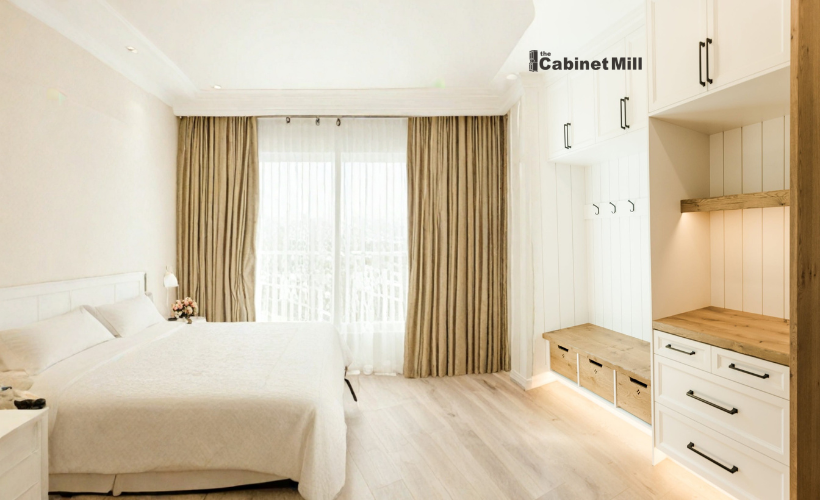
Contemporary cabinets work well in open-concept layouts, newer homes, and condominiums. The streamlined design helps smaller kitchens feel larger, and homeowners who value efficient storage gravitate toward this modern style. Large kitchen islands with clean edges are also a signature design element in contemporary kitchens.
Traditional Kitchen Cabinets
The traditional kitchen style highlights classic woodworking, rich finishes, and decorative design elements. Traditional kitchens often serve as the gathering centre of the home, where craftsmanship and comfort shape every detail.
Door Style and Hardware
Raised-panel cabinet doors are the signature of traditional design. The centre panel sits higher than the surrounding frame, which creates shadow lines and visual depth.
Crown moulding connects upper cabinets to the ceiling, and corbels, pilasters, and furniture-style feet give cabinet runs a built-in quality. Traditional kitchens may also feature glass-front doors for display storage — a detail rarely found in modern kitchens.
Hardware plays a prominent role. Ornate knobs, cup pulls, and bail pulls in brass, oil-rubbed bronze, or antique nickel add warmth to every cabinet face.
Materials and Finishes
Wood cabinets built from solid hardwood are the standard for traditional styles. Maple offers a smooth, consistent grain. Cherry develops richer colour with age. Oak provides strong, visible grain patterns in a finished wood kitchen.
Finishes range from natural wood stains to painted options in cream, sage green, or deep espresso. Glazing techniques add antique depth and highlight architectural details, while stone countertops and wrought-iron hardware reinforce this classic aesthetic.
Best Fit for Traditional Cabinets
Traditional cabinets suit older homes, heritage properties, and any kitchen where the homeowner wants a warm, formal atmosphere. Traditional kitchens often hold resale value across decades because the design ages gracefully. The modern farmhouse kitchen — a popular design trend — borrows raised-panel doors and wood cabinets from this style while adding rustic accents that bridge classic and modern elements for a lived-in feel.
Transitional Kitchen Cabinets
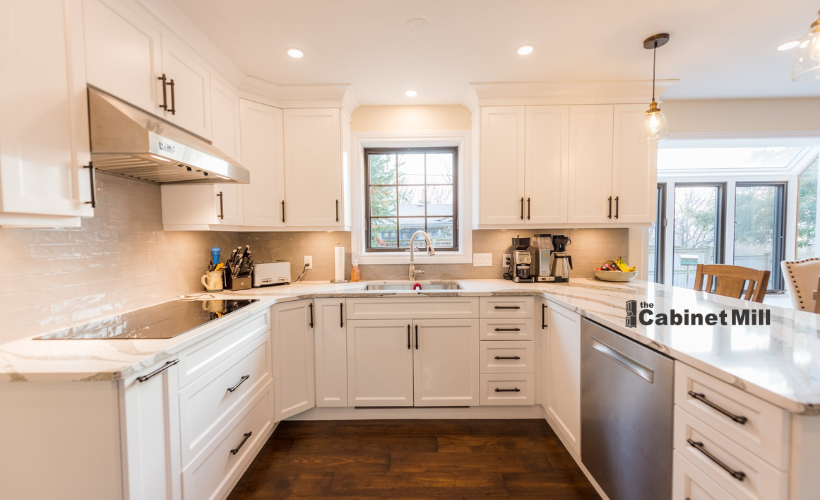
Transitional cabinets offer a balanced blend of contemporary simplicity and traditional warmth. Transitional design is the most popular kitchen style in North America because it adapts to many homes and personal preferences. If you are choosing between traditional or transitional, this style offers more flexibility for new design updates over time.
Door Style and Hardware
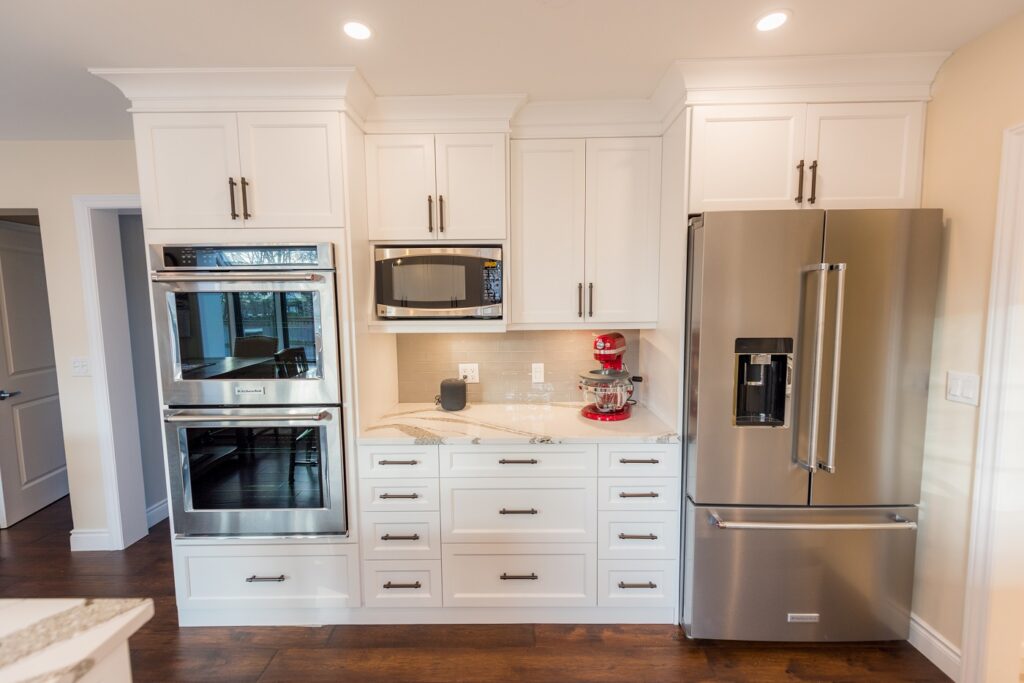
Shaker-style doors are the go-to transitional cabinet styles choice. A flat centre panel surrounded by a simple frame gives Shaker doors more detail than a contemporary slab but less ornamentation than a traditional raised panel. This profile works in almost any colour, which is why many homeowners lean toward transitional design.
Hardware balances function and style. Simple knobs on doors paired with bar pulls on drawers is a common approach. Brushed nickel, satin brass, and matte black finishes complement the understated door profile.
Materials and Finishes
Transitional cabinets often mix natural materials — real wood frames with painted finishes. A painted perimeter paired with a stained wood island is a popular approach that adds warmth while keeping the overall look grounded.
Colour palettes favour neutral tones. White, soft grey, greige, and warm beige create a calm foundation. Transitional kitchens often use these neutrals so homeowners can update hardware and accents over time without replacing custom cabinets.
Best Fit for Transitional Cabinets
Transitional cabinets fit virtually every home, from mid-century bungalows to new suburban builds. The transitional style appeals to homeowners who want a timeless kitchen without committing to one aesthetic. Real estate professionals also recommend this approach for resale because of its broad buyer appeal.
Side-by-Side Comparison of Kitchen Design Styles
- Door profile: Contemporary uses flat-panel/slab; transitional uses Shaker; traditional uses raised-panel
- Hardware: Contemporary hides it or keeps it minimal; transitional uses simple knobs and pulls; traditional features ornate pieces
- Colour palette: Contemporary leans monochromatic; transitional stays neutral and flexible; traditional favours warm wood tones and deep painted colours
- Overall feel: Modern style reads as sleek and efficient; transitional design reads as balanced and timeless; traditional design reads as classic and formal
- Best materials: Modern cabinets use engineered wood, acrylic, and glass; transitional mixes wood with painted finishes; traditional relies on solid hardwoods like maple, cherry, and oak
How to Choose Which Kitchen Design Style Is Right
Choosing the right style for your kitchen depends on three things: the architectural style of your home, how you live day to day, and your long-term plan for the property.
A contemporary kitchen suits someone who values streamlined design and efficient storage. Traditional and transitional styles both bring warmth, but traditional kitchen design leans formal while transitional kitchen design stays flexible. Traditional vs contemporary comes down to personal taste, but many homeowners find their perfect kitchen somewhere in between with a transitional approach.
Budget matters too. Traditional cabinets with solid wood construction sit at the higher end. Modern cabinets with engineered materials offer competitive pricing. Transitional cabinets provide strong value. Cabinets may also be mixed — different styles on the island versus the perimeter — to balance cost and follow kitchen design trends without a full overhaul.
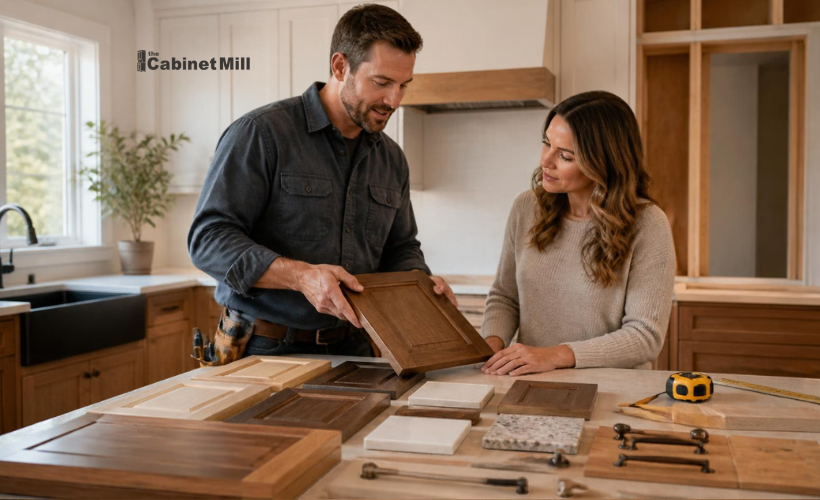
Walk through a kitchen showroom before committing. Seeing cabinet door profiles, hardware, and finishes in person reveals differences that photos cannot capture. Which style is best for you depends on how the design feels in a real space.
Build Your Dream Kitchen with The Cabinet Mill
The Cabinet Mill builds custom cabinets in contemporary, transitional, and traditional styles from a family-owned shop in Essex, Ontario. Founded in 1988 by Jake Teigrob and now led alongside his son Dale, the business brings over 35 years of hands-on woodworking to every project.
Whether you want modern cabinets with clean slab doors, traditional and modern aesthetics combined, or Shaker-style transitional cabinets, we manufacture each cabinet to fit your kitchen and your personal style. Homeowners across Windsor-Essex County trust The Cabinet Mill for kitchen cabinet styles that pair lasting craftsmanship with show-worthy kitchen design. Book your free design consultation to start planning your kitchen renovation today.